How Low-Stakes Learning Builds Student Confidence and Critical Thinking
Featured in the Curriculum Corner newsletter
By Dr. Kristy Alvarez, Academic Dean and Communications Department
How many eggs does the average American eat in a year?
The question may seem simple, but it reflects a powerful strategy that shapes how students engage with learning.
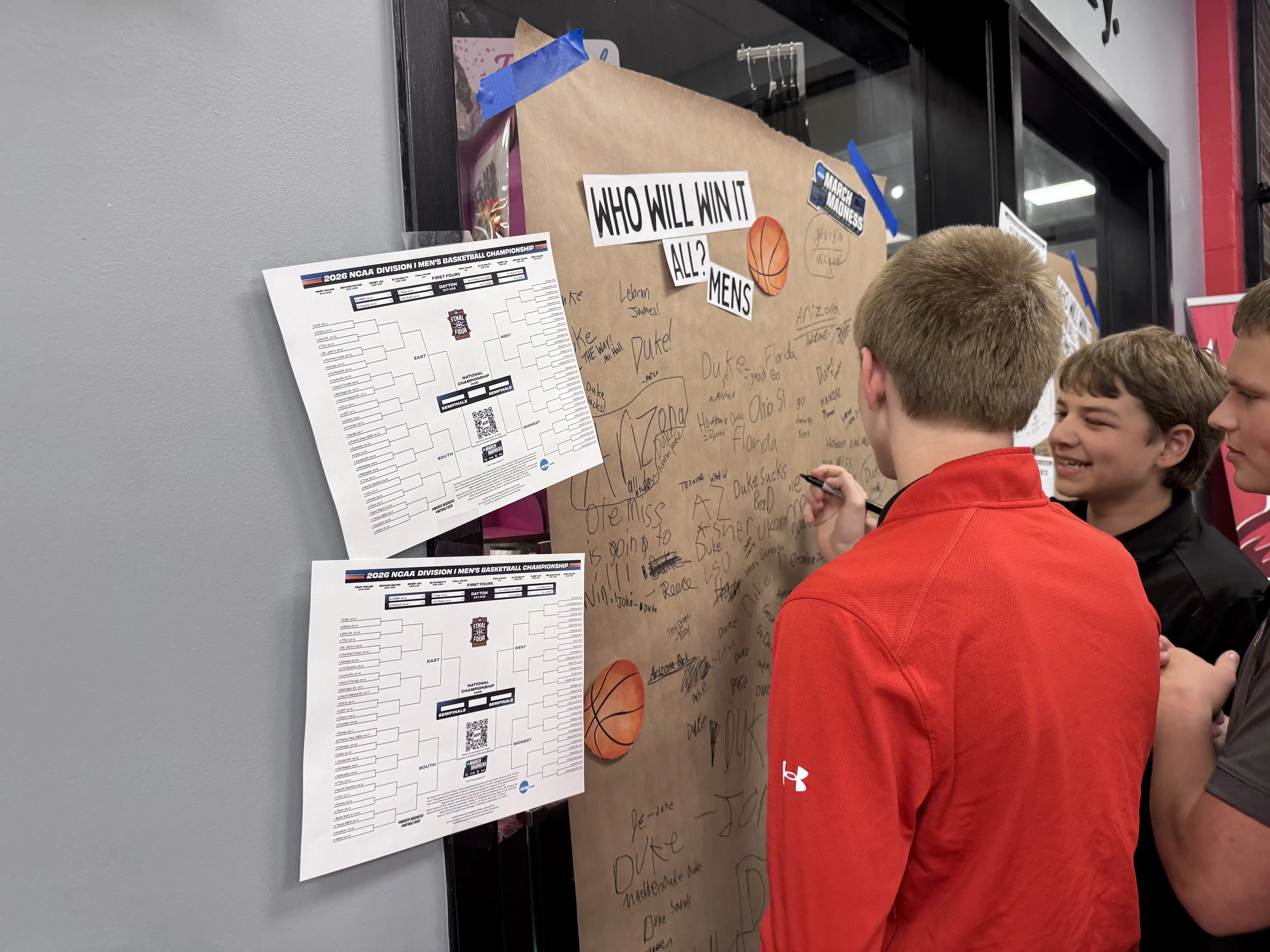
Each year, millions of people complete brackets for the NCAA Tournament Challenge even though a perfect bracket is highly unlikely. They participate because the stakes are low and the experience is enjoyable. This year at FPD, we brought that same idea to campus by creating a bracket in the lunchroom. Students and teachers joined in friendly competition, making predictions and comparing outcomes. Even our lunchroom became a place where it was safe and fun to make a guess. Moments like these spark curiosity, build community, and show how low-stakes environments encourage participation without fear of failure.
In many classrooms, students hesitate to share ideas or attempt challenging work. This hesitation is rarely about ability. More often, it is rooted in the fear of being wrong in front of peers. When fear replaces curiosity, participation declines and deeper learning becomes harder to achieve.
At First Presbyterian Day School, we intentionally design learning environments where students feel safe to think critically, test ideas, and stay engaged. One way we do this is by inviting students to make predictions before formal instruction begins.
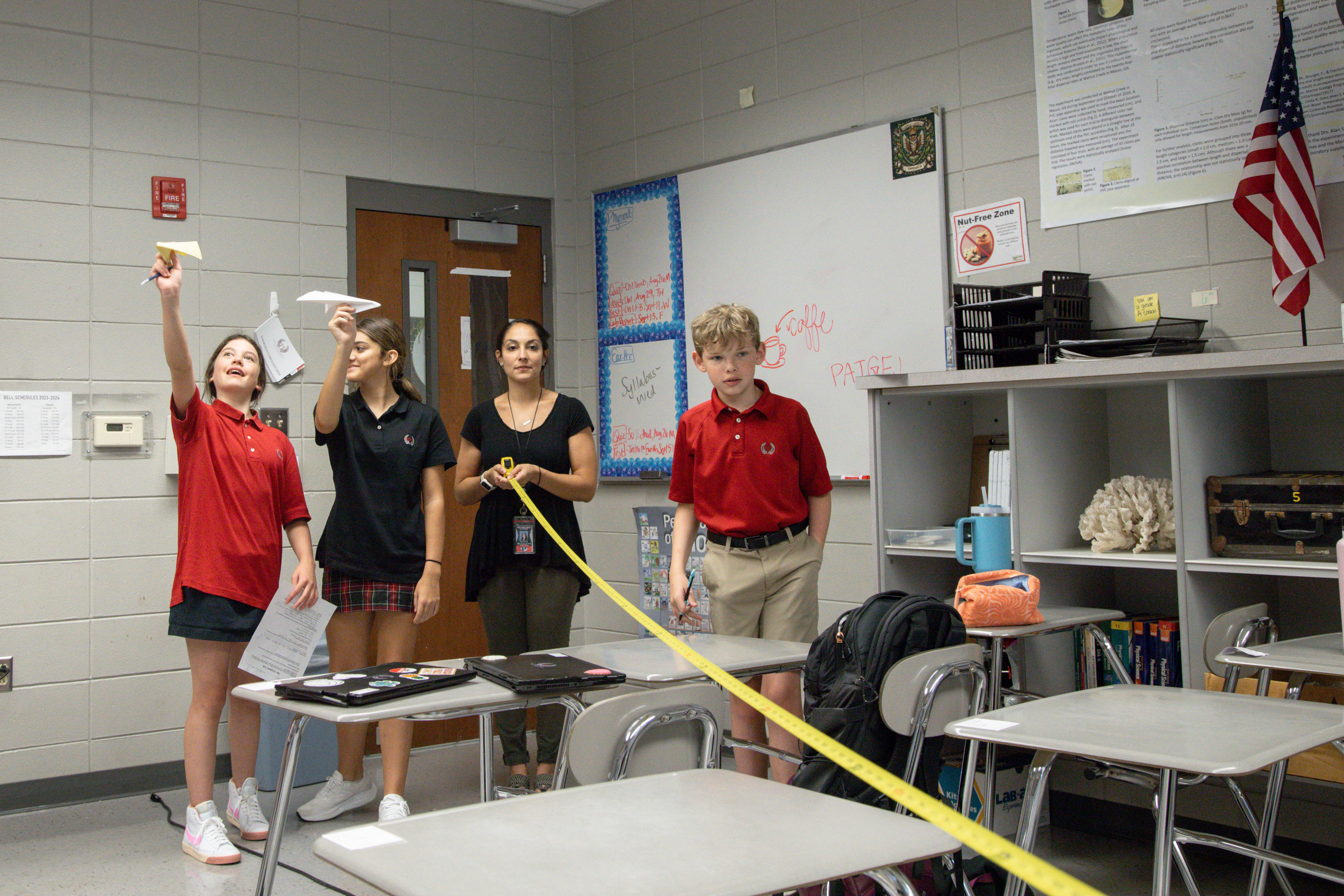
One way we bring learning to life at FPD is through intentional hands-on experiences. In Mrs. Minter’s seventh grade science class, students recently explored the scientific method through a paper airplane investigation. Using both notebook paper and cardstock, students formed hypotheses about how paper thickness might affect flight distance. They then designed experiments, tested their predictions, recorded observations, and analyzed results. Experiences like this help students move beyond memorizing steps in the scientific method to truly understanding how inquiry, experimentation, and discovery work together in real learning.
Opportunities to take meaningful risks also extend beyond academics. In middle and high school, students who run for class officer positions practice communication, initiative, and leadership. Writing speeches, presenting ideas, and learning from outcomes help build confidence and resilience that serve students well beyond the classroom.
When prediction and participation become part of daily learning, students begin to understand that engagement matters more than immediate correctness. Whether interpreting unfamiliar vocabulary, analyzing historical images, or exploring new math strategies, these moments help students connect prior knowledge with new understanding. Over time, this approach reduces fear, increases participation, and strengthens the critical thinking skills essential for lifelong learning.
At FPD, academic excellence includes more than mastering content. It includes developing curiosity, perseverance, and the confidence to engage with complex ideas. By designing low-stakes learning experiences, educators help students see mistakes not as failures but as necessary steps toward growth.
Our goal is to prepare thoughtful, confident learners who are ready to contribute meaningfully both inside and beyond the classroom.
And for those still wondering, the average American consumes approximately 281 eggs each year.